

E-Commerce SEO: How to Supercharge Your Sales in 2025

Do you feel stuck trying to turn curious visitors into loyal buyers? You are not the only one. The online store scene in 2025 is tougher than ever, and every click is precious. At SeoFlow, we know that the fastest growing stores are not just chasing traffic; they are perfecting conversion rate optimization while boosting their SEO. Recent conversion rate optimization statistics from TwinStrata show that smart strategies can lift revenue by as much as 30%. When great rankings meet strong conversions, every effort pays off. Read on to learn practical SEO moves that turn visitors into repeat buyers while building lasting customer trust.
“When your rankings and sales work hand in hand, every effort pays off.”
This idea shows why conversion rate optimization should be part of every SEO move you make.
| KPI Snapshot (2024-2025) | High Traffic, Low Conversion | Balanced Traffic & High Conversion |
|---|---|---|
| Average Time on Site | 45 sec | 2 min 17 sec |
| Checkout Abandonment | 78% | 42% |
| Revenue per Visitor | $0.35 | $1.12 |
| YoY Revenue Growth | 4% | 31% |
Breaking Down the 2025 Online Shopping Scene
Online shopping has changed a lot since the early 2020s. More and more people now use their voice to shop and rely on digital helpers at home. This means that adjusting your site for natural, everyday questions is a must if you want to be seen when people are ready to buy. By fine-tuning your SEO with real-life language, you connect with shoppers at the moment they decide on a purchase.
More customers now “shop by talking”; they ask smart assistants for the best prices and fastest delivery, which means you need to use conversational SEO to reach them directly.
Mobile shopping stays huge, but there is a fresh twist with augmented reality. Buyers today expect to see products in a lifelike way, virtually trying items before buying. Having AR functionality can even help your site climb in rankings. Our research shows that sites using AR see noticeable improvements in conversion rates, proving that technical SEO and conversion optimization work best when combined.
An even bigger change is the move to a privacy-first internet. With third-party cookies gone and stricter rules now in place, your own customer data has become the key to creating personalized shopping. Savvy stores focus on building value exchanges that invite visitors to share their likes and needs. This approach not only meets privacy rules but also builds strong relationships that boost sales. We have helped many businesses use data-driven SEO strategies to turn casual browsers into loyal buyers.
“Using first-party data goes beyond meeting rules; it powers highly personal experiences that can double repeat purchases.”
Social shopping is not just about product tags on Instagram or TikTok anymore. Today, social media and online stores work together so smoothly that search engines favor sites with a unified shopping experience. This change presents both challenges and opportunities for anyone looking to improve the complete customer journey. By using detailed tracking, you can pinpoint where shoppers lose interest and then use focused bounce rate reduction techniques to guide them back on track.
Mastering Keyword Research for Real Results

Keyword research still forms the backbone of smart SEO, even as online shopping keeps changing. If you want to boost sales in 2025, you must understand how your customers search and what they really want. At SeoFlow, we see that stores investing in deep keyword research consistently beat their rivals when it comes to conversions. It is no longer enough to chase high-volume terms; focus on phrases with clear buying intent that match your products and services.
“It is not enough to chase big numbers; you need to target terms that show clear buying intent.”
Tools and Tactics for Finding the Right Keywords
The approach to keyword research has grown a lot over the years. While classic tools like Google Keyword Planner still have their place, they only scratch the surface. Using several specialized tools can reveal more keyword opportunities than ever before. Our platform at SeoFlow sifts through massive amounts of data to spot emerging trends and high-converting search patterns that might be missed with older methods.
| Keyword Tool Comparison (2025) | Data Freshness | AI Suggestions | Built-in CRO Insights | Best Use Case |
|---|---|---|---|---|
| SeoFlow AI Suite | Real-time | Yes | Yes | Scaling product catalogs |
| Google Keyword Planner | 2-4 weeks | No | No | Budget planning |
| SEMrush | Daily | Partial | No | Competitor gap analysis |
| AnswerThePublic Pro | Monthly | No | No | Content ideation |
Competitor analysis in 2025 goes beyond listing the keywords your rivals rank for. Now you look at the whole customer journey by mapping search queries to different buying stages. With this approach, you can pick keywords that not only bring in traffic but also lead to real purchases. It all comes down to understanding what people mean when they search-whether they are looking for information, directions, or are ready to buy.
A trending tactic is semantic clustering, which groups related keywords to uncover entire topics. Instead of writing many separate pieces for similar searches, you can create one comprehensive resource that covers the full subject. This strategy boosts your site's visibility and makes the experience smoother for visitors, leading to longer stays and fewer bounces.
Long-Tail Keywords: Your Secret Weapon for Sales
Long-tail keywords have shifted from a backburner idea to a major sales driver. They might bring in less traffic overall, but shoppers who use these specific phrases are much closer to buying. For example, someone searching for "men's waterproof hiking boots size 11 with ankle support" is far more ready to purchase than someone who types just "hiking boots." We have seen that sites focusing on long-tail terms often enjoy conversion rates up to three times higher compared to stores that only target broad keywords.
The beauty of long-tail keywords lies in their precision and lower competition. Big brands often battle over broad terms, while smaller shops can win by aiming for exact phrases that match what they sell. With more shoppers using voice search, these keywords have become even more important because they match natural speaking patterns. SeoFlow's platform can surface thousands of long-tail opportunities by analyzing customer reviews, support tickets, and social chatter. Using these specific keywords in your product descriptions, buying guides, and FAQ pages helps answer the questions shoppers ask, which means they are more likely not only to buy but also to return.
Creating Content That Turns Browsers into Buyers
Crafting content that does more than attract clicks is the real secret to boosting sales. At SeoFlow, we have discovered that it is not enough to simply drive traffic; your words must speak directly to shoppers and lead them toward a purchase. Research from Ricky Spears on e-commerce conversion strategies shows that personalized content can up conversion rates by as much as 25% compared to standard copy. Good content mixes facts with a bit of heart while helping the buyer feel understood.
The Magic of Storytelling in Selling Products
People connect with stories; they are a natural way to build bonds that plain facts alone cannot achieve. Instead of simply listing features, try to create a short tale around your products that shows how they can change a customer’s day. For example, rather than saying, "This mattress has memory foam," you might write, "Imagine sinking into a mattress that remembers your shape and gives you the best sleep of your life." This method builds an emotional connection and helps visitors see the real benefits of what you offer.
User testimonials add even more weight to your story. Genuine experiences from other buyers work like mini-stories that build trust and ease any worries. These real-life examples act as social proof and naturally boost your SEO with keywords that matter, making potential buyers feel confident as they explore your store.
Product Pages That Speak to Shoppers
Creating pages for your products means balancing what search engines need with what people want to read. Start with clear, descriptive titles using your main keyword, and follow up with engaging summaries that invite clicks from search results. Your product descriptions should be detailed yet easy to skim, focusing on the benefits rather than just a list of features. This way, you naturally blend in keywords while keeping the text friendly and easy to read.
Never underestimate the value of extra content on a product page. FAQ sections, related item suggestions, and simple guides on "how to use" your products not only answer common questions but also help with internal linking. This combination builds a sturdy SEO structure and makes visitors more inclined to complete their purchase. Our experience shows that comprehensive optimization strategies on product pages lead to better rankings and higher conversions.
Technical SEO: The Foundation for Smooth Sales
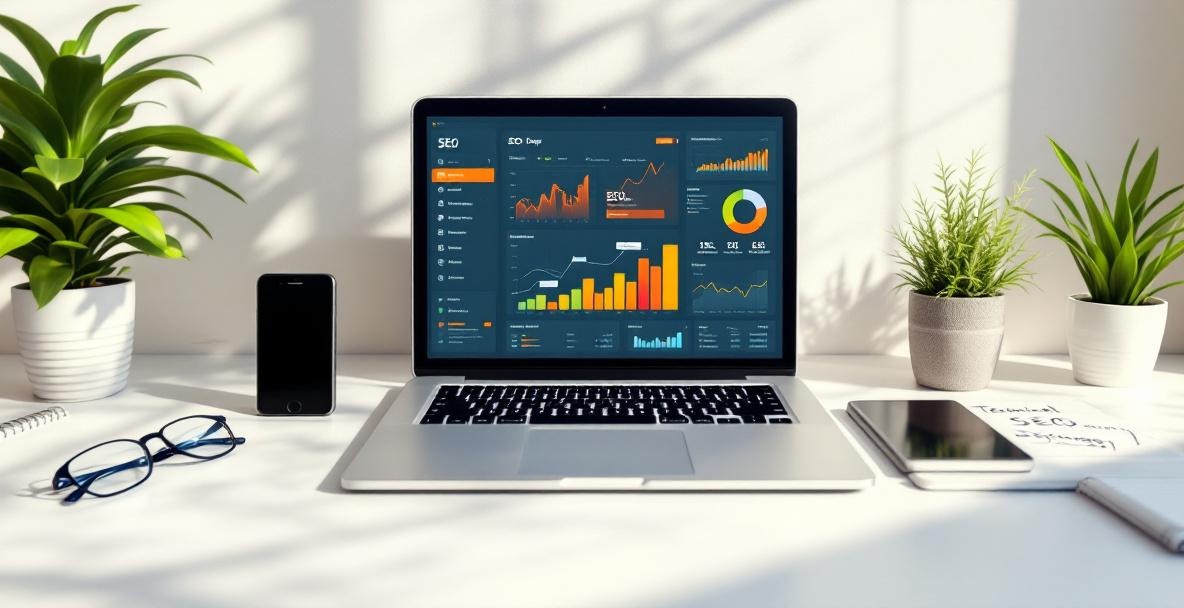
Even the best-written content and research-friendly keywords can fall short if your site has technical issues. At SeoFlow, we have learned that a smooth technical setup is essential for keeping customers happy and improving your chance to sell. A recent Future Market Insights report on conversion rate optimization software shows that demand for technical SEO tools is growing quickly, as businesses realize how much it affects sales. Technical SEO makes sure that visitors can find, view, and enjoy your site without any interruptions.
Speed and Mobile-Friendliness That Keep Shoppers Engaged
A slow page can lose a sale in just a few seconds. When customers wait longer than three seconds for your page to load, most will leave and look elsewhere. This drop in engagement directly means lost sales in a competitive market. With more shoppers using their phones, having a mobile-friendly site is no longer a bonus but a must. Sites with a responsive design, well-sized buttons, and an easy mobile checkout see up to 65% higher conversions compared to those with poor mobile experiences. Simple fixes like adaptive images, caching, and cutting down on heavy scripts can give you a fast, smooth site that keeps your customers happy.
Rich Snippets and Clear Data that Boost Clicks
Using structured data markup is a smart step that many sites overlook. Adding schema to your product pages gives search engines clear details like price, stock status, and reviews. This clarity turns into rich snippets in search results, with star ratings and prices that capture more attention. In fact, products with these enriched listings usually see click-through rates that are 30-40% higher. These enhanced search results work like mini ads, drawing in the right crowd who are ready to shop. Start by marking up your best-selling items, and then expand gradually to include reviews and FAQs to build a strong, visible profile.
Building Trust with Quality Backlinks
Your online store’s authority comes partly from who is willing to vouch for you. High-quality backlinks work like digital recommendations that boost your credibility with search engines and shoppers alike. At SeoFlow, we see that stores with a smart backlink strategy often rank higher and convert better. In 2025, it matters not just how many links you have but how relevant and strong they are for your business.
Real Connections for Real Backlinks
Cold, generic emails just don’t work anymore. Today, building real relationships is key. Start by finding websites that have a similar audience but do not compete directly with you, then reach out with ideas that benefit both sides. Sharing exclusive studies or data reports is one way to earn natural links. When you provide useful, data-rich content, other sites are eager to link back, and this can boost both trust and your sales. This method not only increases backlinks but also strengthens your overall conversion strategy.
Partnering with Influencers and Peers
Working with influencers has grown beyond simple sponsored posts into real partnerships that benefit everyone. Many successful stores create co-branded items or limited-edition collections with influencers whose audiences match their own. These partnerships generate natural content that both partners promote, earning valuable backlinks and real referrals. We have seen that micro-influencers, those with 10,000-50,000 followers, often drive stronger engagement than their larger counterparts. Their genuine recommendations can lead to higher conversion rates and build lasting trust with your audience. In addition, teaming up with complementary businesses can create a network of quality links that support better search rankings and more consistent traffic.
Your Roadmap to Better Conversions
The online store game keeps shifting, and keeping up with SEO is not just helpful — it is essential for thriving. Every strategy mentioned here has been tried and tested in real stores that are gearing up for 2025. These are practical moves that help you connect with shoppers and turn visits into purchases.
Bringing All the Pieces Together
Successful online retailers understand that SEO is more than a few isolated tricks. Everything works best when your keywords, content, technical settings, and backlinks support each other. Your keyword game explains what your customers are searching for. Your content builds the bridge between their questions and your answers. A solid technical setup makes every step smooth, and quality backlinks show that others believe in your brand. When these elements click together, they form a trustworthy engine that drives steady growth.
Staying on Top of What Matters
Looking ahead to 2025, change will keep coming, and so will new search habits. The winning stores focus on measuring what matters and tweaking their approach based on real numbers. Keeping an eye on new trends and listening to your data means you can always stay a step ahead. Voice search, mobile experiences, and personalized touches must all be part of your ongoing plan to keep customers moving through your site with ease.
Tracking Progress and Adjusting Your Course
At the end of the day, your real success comes from making sales. Set up solid tracking to see how every part of your SEO plan affects your bottom line. Check where visitors drop off and try different approaches until you find what works best. Test new calls-to-action, tweak your product information, and adjust your page layout to find the right mix for your audience. Remember that every business is unique, so let your own data guide your decisions.
At SeoFlow, we have seen firsthand how a steady, data-driven approach to SEO and conversion optimization can transform a business. Our AI-powered platform is designed to help you move from keyword research through content creation to ongoing refining of your strategy.
Ready to revolutionize your e-commerce SEO strategy and boost your conversions in 2025? Take the first step toward sustainable growth by exploring how SeoFlow can automate your content strategy, save countless hours, and deliver measurable ROI through targeted, conversion-focused optimization.